
Futures platforms allow users to speculate on price movements, leverage capital, and implement advanced trading strategies across multiple crypto assets. Because there are hundreds of platforms offering futures contracts, choosing the best one can be challenging.
Therefore, in this article, we break down the top crypto futures trading platforms in 2026, their standout features, supported contracts, risk controls, and the types of futures traders each exchange is best suited for.
Top Crypto Futures Trading Platforms at a Glance
ExchangeMax LeverageFutures Fees (Maker / Taker)Funding RatesSupported ContractsKYC RequiredBinanceUp to 125x0.02% / 0.05% (as low as 0.016% / 0.04%)Every 8 hoursPerpetual and quarterly futuresYesBybitUp to 100x0.02% / 0.055% (maker as low as 0.01%)Every 8 hoursPerpetual contractsLimited (varies by region)OKXUp to 125x0.02% / 0.05%Every 8 hoursPerpetual and expiry futuresYesKrakenUp to 50x0.02% / 0.05%VariablePerpetual futuresYesMEXCUp to 200x0.00% / 0.02%Standard intervalsPerpetual futuresNo (limited restrictions)CoinbaseUp to 20x0.02% / 0.04%Regulated structureLimited futures offeringYesBitgetUp to 125x0.02% / 0.06%Every 8 hoursPerpetual futuresOptional (basic access)Crypto.comUp to 50x0.02% / 0.05%VariablePerpetual futuresYesPrimeXBTUp to 200x0.01%-0.05% flat (CFD model)No traditional funding modelCFD-style contractsNoBitMEXUp to 100x0.01% / 0.075%Every 8 hoursPerpetual and dated futuresNo (restricted regions)
10 Best Crypto Futures Trading Platforms for 2026: Expert Review
1. Binance: Best for Deep Liquidity and High-Volume Futures Trading
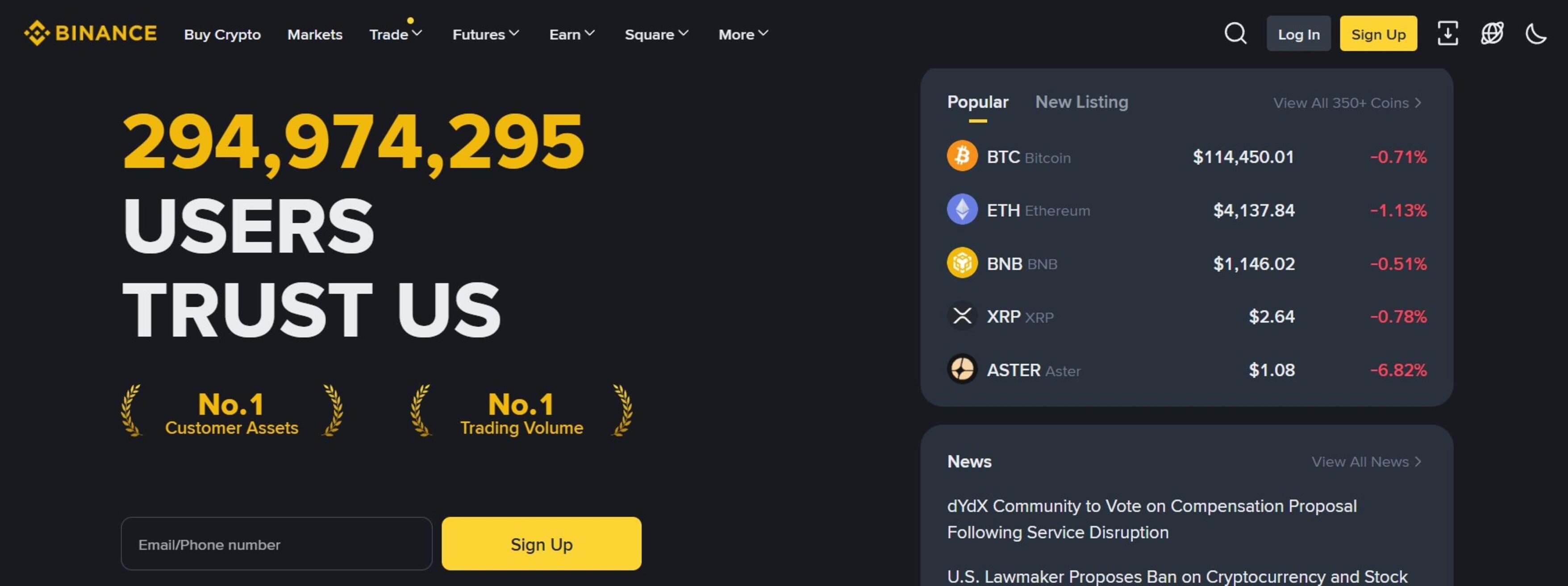
Binance is one of the most established names in the crypto market, operating as a full-scale crypto exchange with a strong focus on crypto futures trading. The platform offers deep liquidity and a wide range of crypto futures, including both perpetual and dated futures contracts, allowing traders to take positions across a broad set of crypto assets.
Why We Chose It?
Binance earns its spot on this list by combining deep liquidity, competitive fees, and a wide product suite in a way that most platforms still struggle to match. For experienced and advanced traders, Binance offers multiple risk management tools, including flexible leverage settings, detailed margin controls, futures bots, and tools to align positions with your trading strategy.
Key Features of Binance
Access to a wide range of crypto futures, including both perpetual and dated futures contractsDeep liquidity and up to 125x leverage, with adjustable tiers depending on position sizeIntegrated copy trading options, allowing users to follow tested strategiesCompetitive fee structure with low fees and discounts via VIP tiers

Pros and Cons
ProsConsDeep liquidity across most pairsRegulatory restrictions in certain regionsConsistently tight spreads and strong executionThe interface can feel overwhelming for newer tradersWide selection of crypto futures and trading pairsSome features not available globallyCompetitive fees with discounts for high-volume tradersRobust tools for both advanced traders and intermediate users
2. Bybit: Best for Advanced Derivatives Tools and High-Leverage Bots
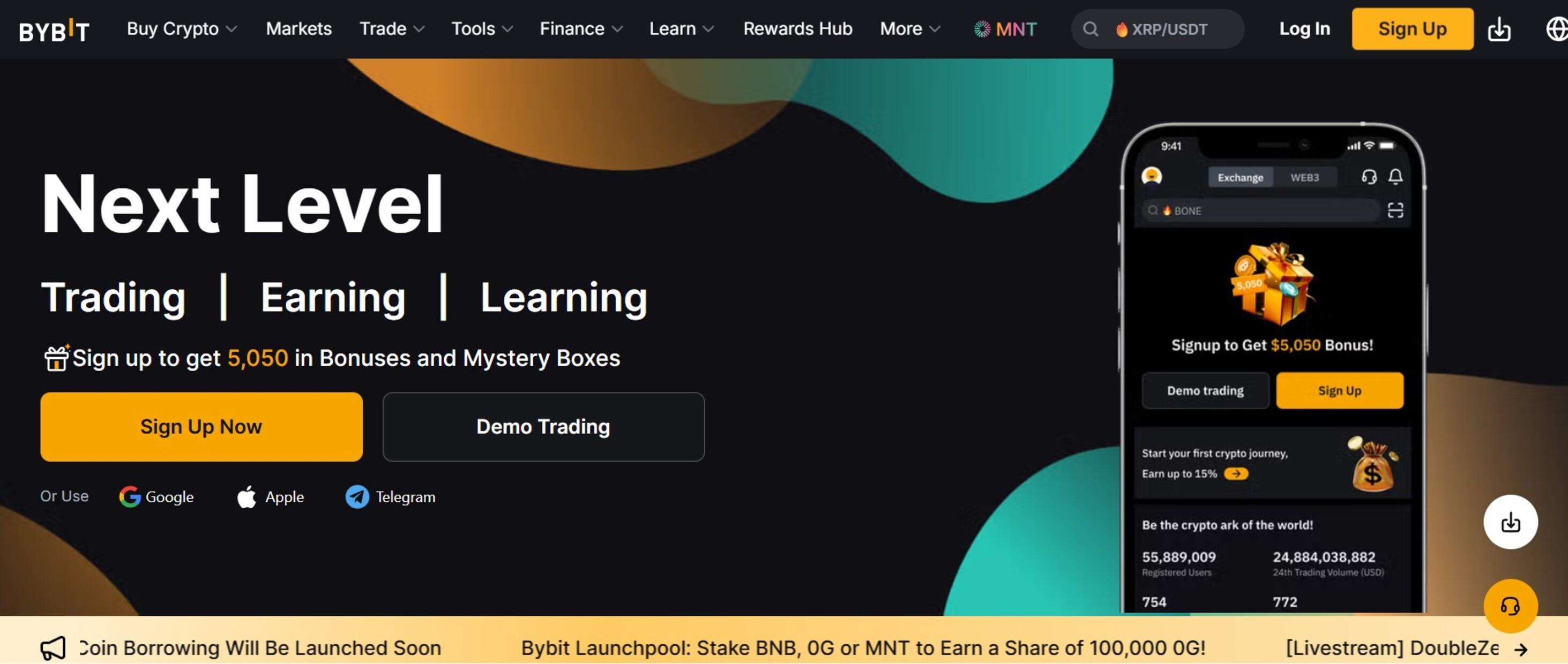
Bybit excels in futures trading due to its high leverage options, advanced automation tools, and competitive liquidity tailored for derivatives-focused traders. The platform prioritizes perpetual and futures contracts, offering up to 200x leverage via Smart Leverage to minimize liquidation risk before settlement.
Why We Chose It?
We picked Bybit because of its strong focus on derivatives trading, copy trading features, and user-friendliness. The platform consistently delivers smooth execution backed by deep liquidity, while keeping the interface clean, making it suitable for both intermediate users and advanced traders.
Key Features
High-speed matching engine built for active futures tradingStrong copy trading system with ranked trader performance metricsAccess to a wide range of crypto futures with competitive leverageConsistent deep liquidity across major pairsAdvanced order types tailored for short-term trading strategy execution

Pros and Cons
ProsConsFast execution during volatile market conditionsSlightly higher taker fees than some competitorsWell-developed copy trading ecosystemLimited access in certain regions, including the USStrong, deep liquidity on major contractsFewer dated futures compared to some derivatives exchangesIntuitive interface for active tradersSupports a wide range of short-term and high-frequency strategies
3. OKX: Best for Institutional Traders and Low Maker Fees
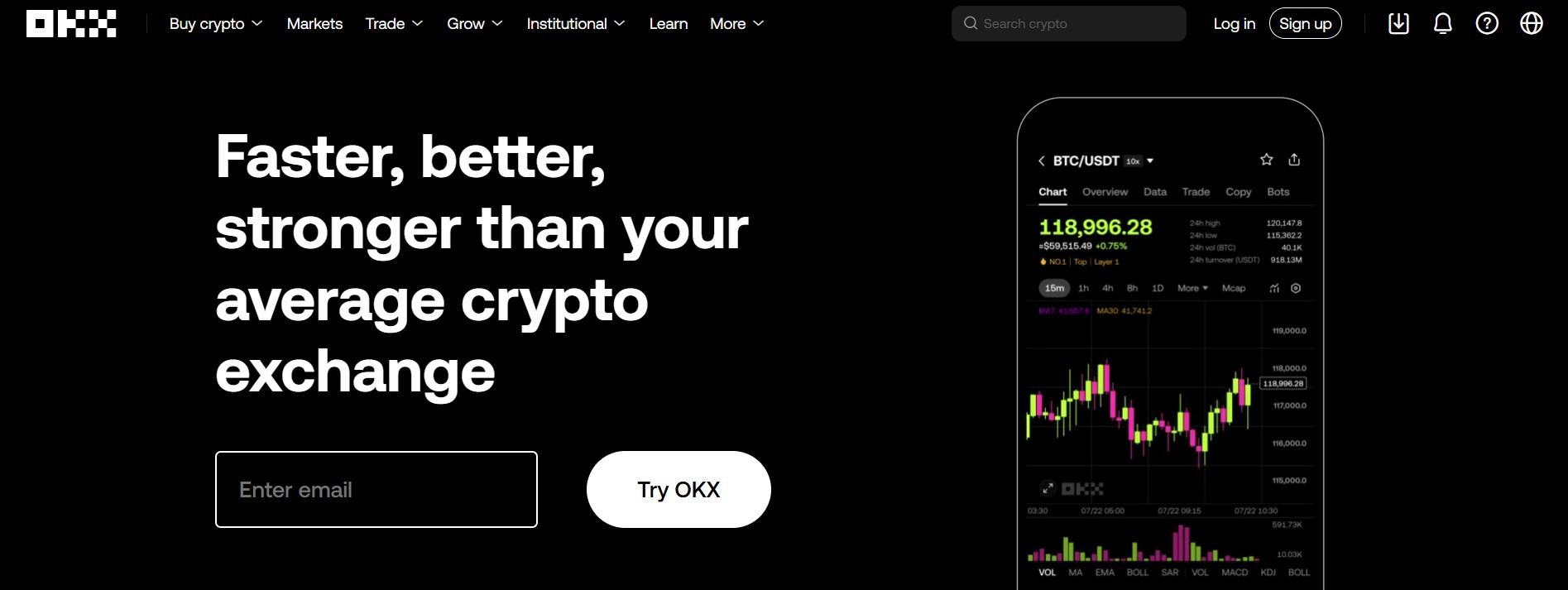
OKX has positioned itself as a crypto futures exchange that caters to advanced traders and institutional participants. The platform has a highly configurable derivatives suite, offering both perpetual and expiry futures contracts alongside options and structured products.
Why We Chose It?
We selected OKX for its strong focus on professional-grade derivatives trading and its support for advanced strategies. The platform combines deep liquidity with flexible risk management tools, making it suitable for experienced retail traders, portfolio managers, and institutional traders.
Key Features
Supports perpetual and dated futures contracts, plus optionsUp to 125x leverage on select contractsAdvanced order types, including TWAP, iceberg, and trigger ordersHigh trading volume ensures tight spreads and minimal slippage

Pros and Cons
ProsConsProfessional-grade derivatives trading toolsInterface may feel overwhelming for beginnersHigh trading volume and deep liquiditySome features limited by regional restrictionsSupports advanced strategies and automated ordersSlightly higher fees for certain contractsStrong infrastructure for both retail and institutional traders
4. Kraken: Best for Strong Regulation and Security
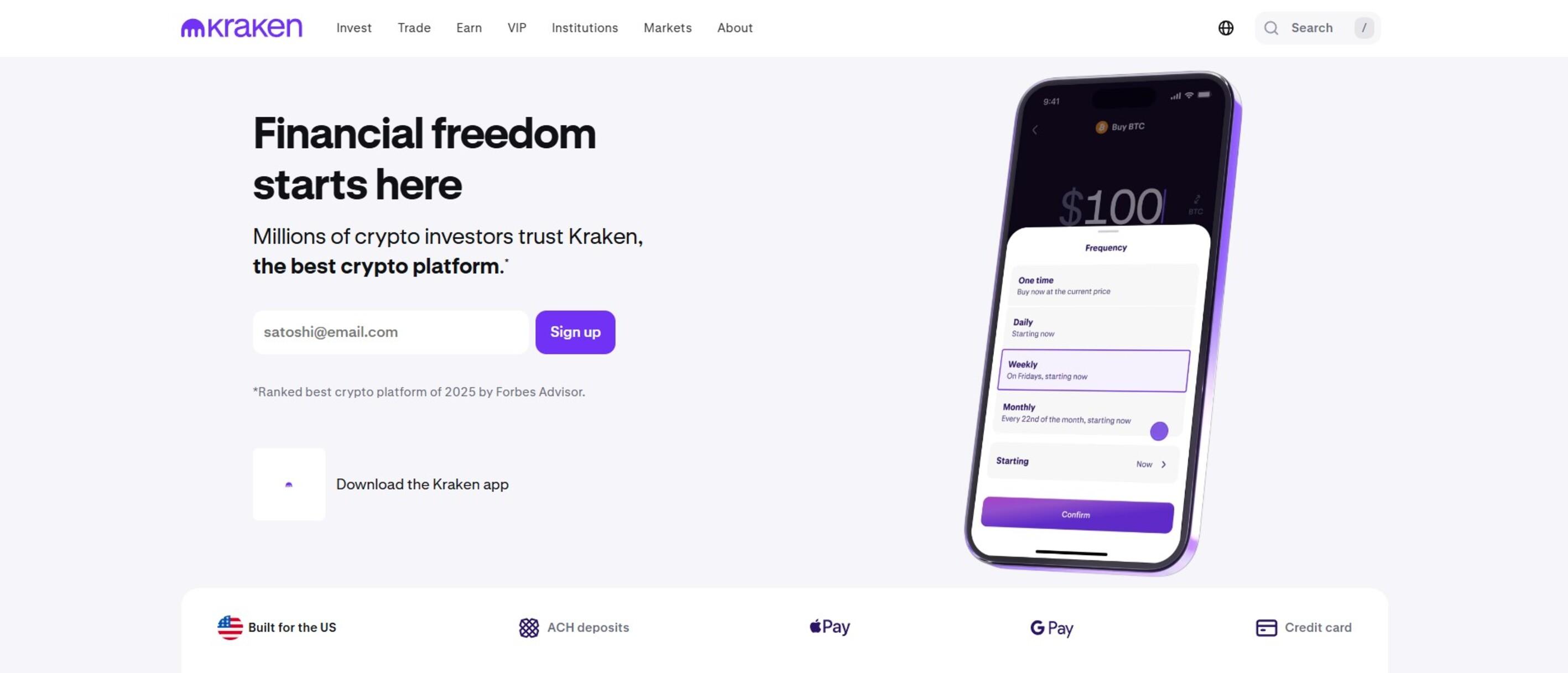
Kraken stands out as a crypto futures exchange that prioritizes security and regulatory compliance. While its leverage cap is 50x, it offers a stable, low-risk environment for futures traders in most countries, including the United States, the United Kingdom, and Canada, where traders may not have access to other trading platforms like Bybit and Binance Global.
Why We Chose It?
We chose Kraken for its strong emphasis on security and regulation with strict KYC/AML policies. The exchange operates globally with licenses in multiple jurisdictions, including FinCEN (MSB) in the US, the Ontario Securities Commission in Canada, and a MiCA-compliant entity regulated by the Central Bank of Ireland for the European Economic Area.
Key Features
Regulated platform emphasizing security and compliance, ideal for U.S. and institutional tradersUp to 50x leverage on 350+ perpetual contracts.Advanced tools, including stop-loss, take-profit, trailing stops, TWAP, and limit orders for risk management.Deep order books and API for algorithmic trading.

Pros and Cons
ProsConsTop-tier security with Proof of Reserves and no major breachesLimited leverage compared to competitorsCompetitive futures fees (0.02% maker / 0.05% taker)May not be ideal for high-frequency derivatives trading350+ perpetual contractsStrong regulation (FCA for non-US, CME for US)
5. MEXC: Best for Low Fees and Perpetual Futures Variety
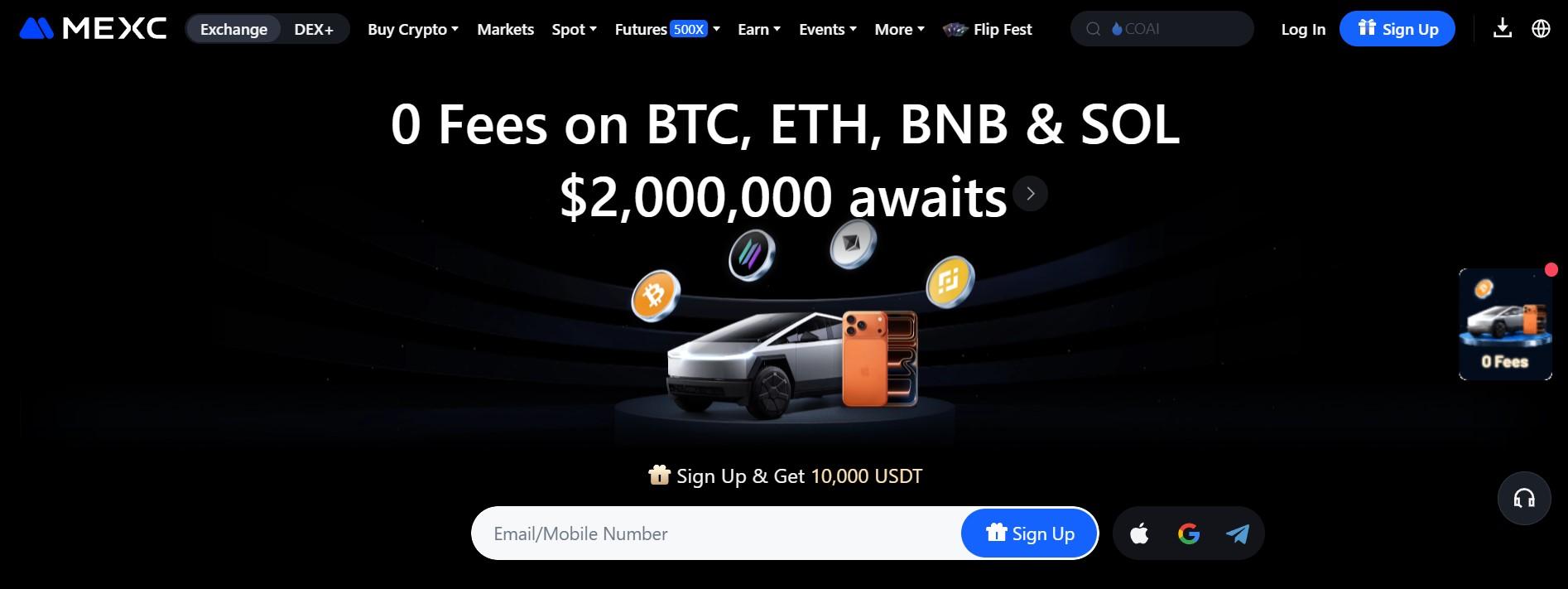
MEXC has made a name for itself as a crypto futures exchange offering some of the lowest fees in the industry while providing access to a wide array of perpetual futures contracts. The platform offers traders competitive pricing, deep liquidity, demo trading, and a robust copy trading marketplace.
Why We Chose It?
We picked MEXC for its ultra-competitive fee structure, high-performing trading engine, and focus on perpetual futures. The platform combines deep liquidity on major pairs with easy-to-use features, making it suitable for advanced traders testing strategies or for experienced traders seeking consistent execution at low cost.
Key Features
Extensive selection of perpetual futures contractsDeep liquidity and high leverage options, up to 200xFrequent promotions and incentives for high-volume tradersStrong risk management tools, including adjustable leverage and stop-loss options

Pros and Cons
ProsConsUltra-low trading fees with zero trading fees on some pairsPlatform primarily focused on perpetuals, limited-dated futuresThe platform supports 3,000+ assets and frequently lists emerging coins, giving futures traders a wide range of perpetual futuresKYC required for full access to advanced featuresHigh leverage options (Up to 200x)The interface may feel crowded with promotional offers.Supports advanced trading strategies
6. Coinbase: Best for Compliant US Perpetual Futures with Rewards
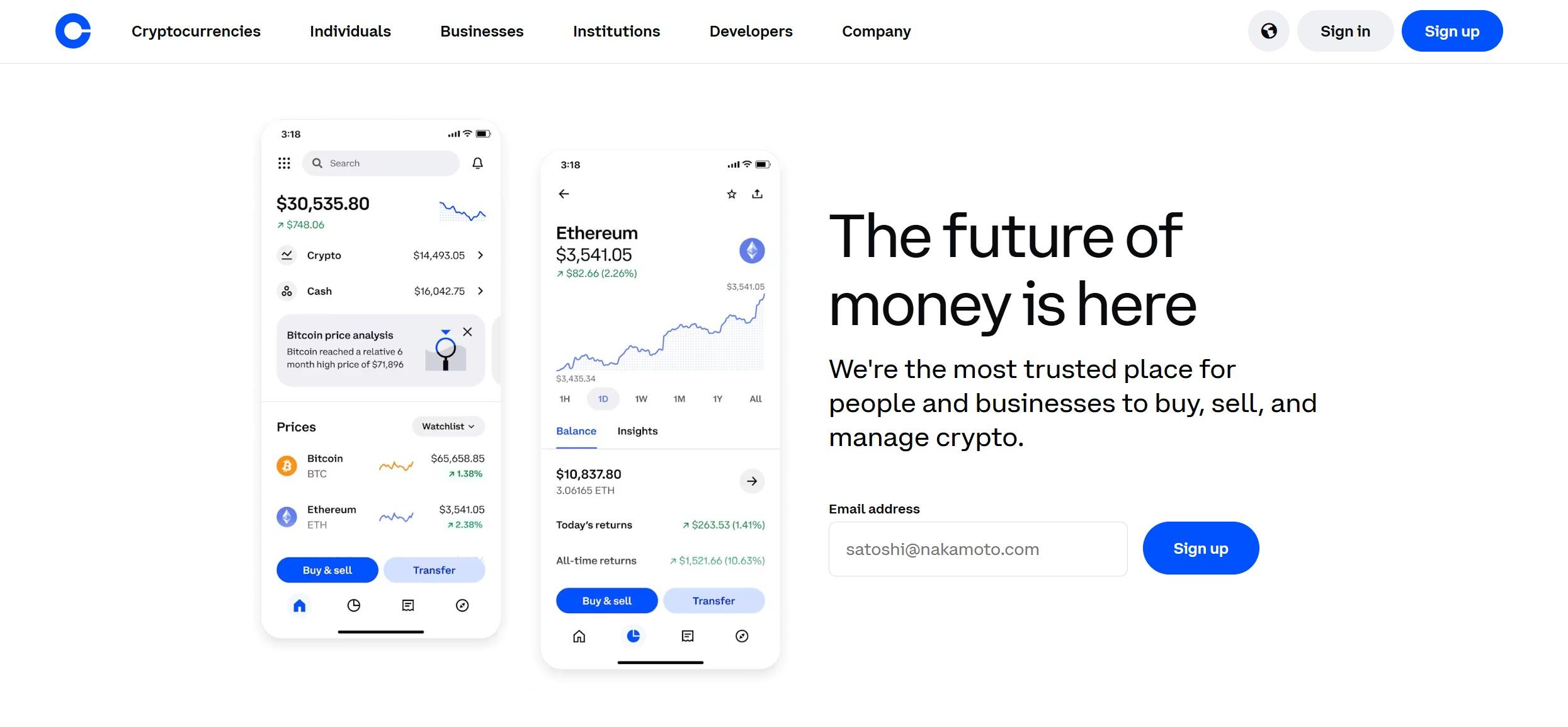
Coinbase is a regulated crypto exchange catering to traders who prioritize compliance and security. While its futures offering is more limited than other major exchanges, it provides a clean, intuitive interface that makes trading perpetual contracts straightforward. The platform’s integration with Coinbase’s broader ecosystem enables crypto holders to trade derivatives and seamlessly explore other products.
Why We Chose It?
We selected Coinbase for traders who value regulatory compliance, especially those in the US, since it is among the top-rated crypto trading platforms for US traders. Its transparent funding rates, structured products, and lower-risk leverage options make it ideal for experienced and intermediate traders.
Key Features
Perpetual futures contracts with up to 20x leverageFully regulated platform compliant with US and international standardsSimplified interface ideal for intermediates and experienced tradersIntegration with the broader Coinbase ecosystem

Pros and Cons
ProsConsFully regulated access for US and EU users with MiFID/CME complianceLimited contract selection (BTC, SOL, equity indices) compared to other platformsUser-friendly via Coinbase Advanced Not ideal for high-frequency advanced strategiesPerpetuals (5-year expiry) and dated futuresPrimarily Europe/US-focused with geo-restrictions in other countriesHourly funding, daily cash settlement for stable tradingInstitutional-grade security and KYC integration
7. Bitget: Best for Copy Trading and Social Trading Features
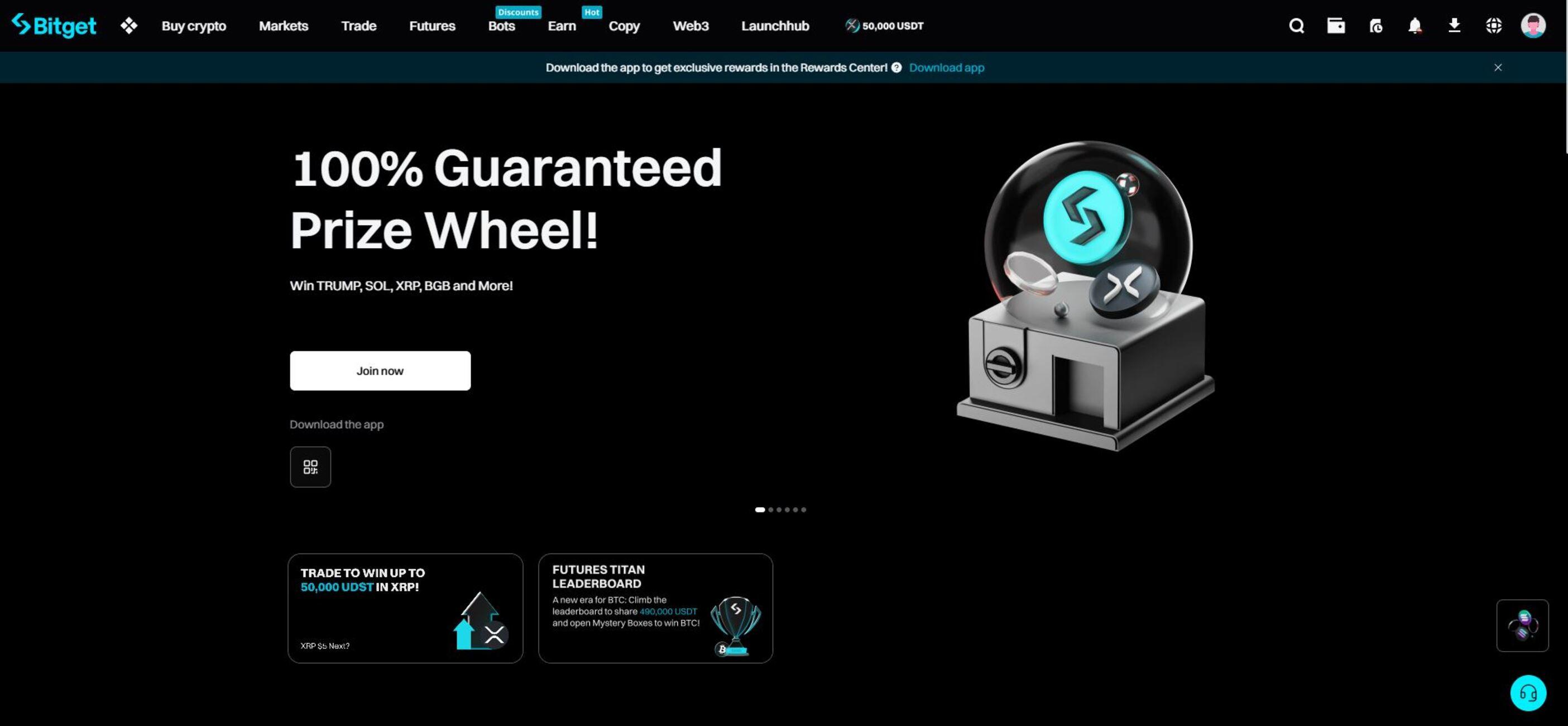
Bitget is a popular crypto futures exchange with a strong focus on copy trading and social trading tools. The platform allows traders to follow professional strategies or automate positions through top-ranked traders, making it suitable for users looking to combine hands-on trading with social insights.
Why We Chose It?
We chose Bitget for its standout copy-trading ecosystem and accessible interface. The platform consistently provides deep liquidity for major contracts, making it suitable for both experienced traders managing large positions and intermediates testing new trading strategies.
Key Features
Leading copy-trading platform with pro-trader following and one-click replication.Up to 125x leverage on USDT-M and Coin-M perpetual futures, options, and spot margin trading.Trading bots, demo accounts, P2P, staking, Launchpad, and Pre-market for new tokens.Supports 800+ cryptocurrencies with an advanced API for high-frequency trading and TradingView integration.

Pros and Cons
ProsConsTop-tier copy trading and bots for passive strategiesNo regulation or licensing in major jurisdictionsLow fees: 0.08% maker/taker (discounted), free depositsCustomer support response time could be betterHigh leverage (125x) and instant execution with deep liquidityLimited fiat support (EUR, USD, BRL only)Demo trading and beginner-friendly tools like alerts/notifications
8. Crypto.com: Best for Mobile-first and Multi-Asset Trading
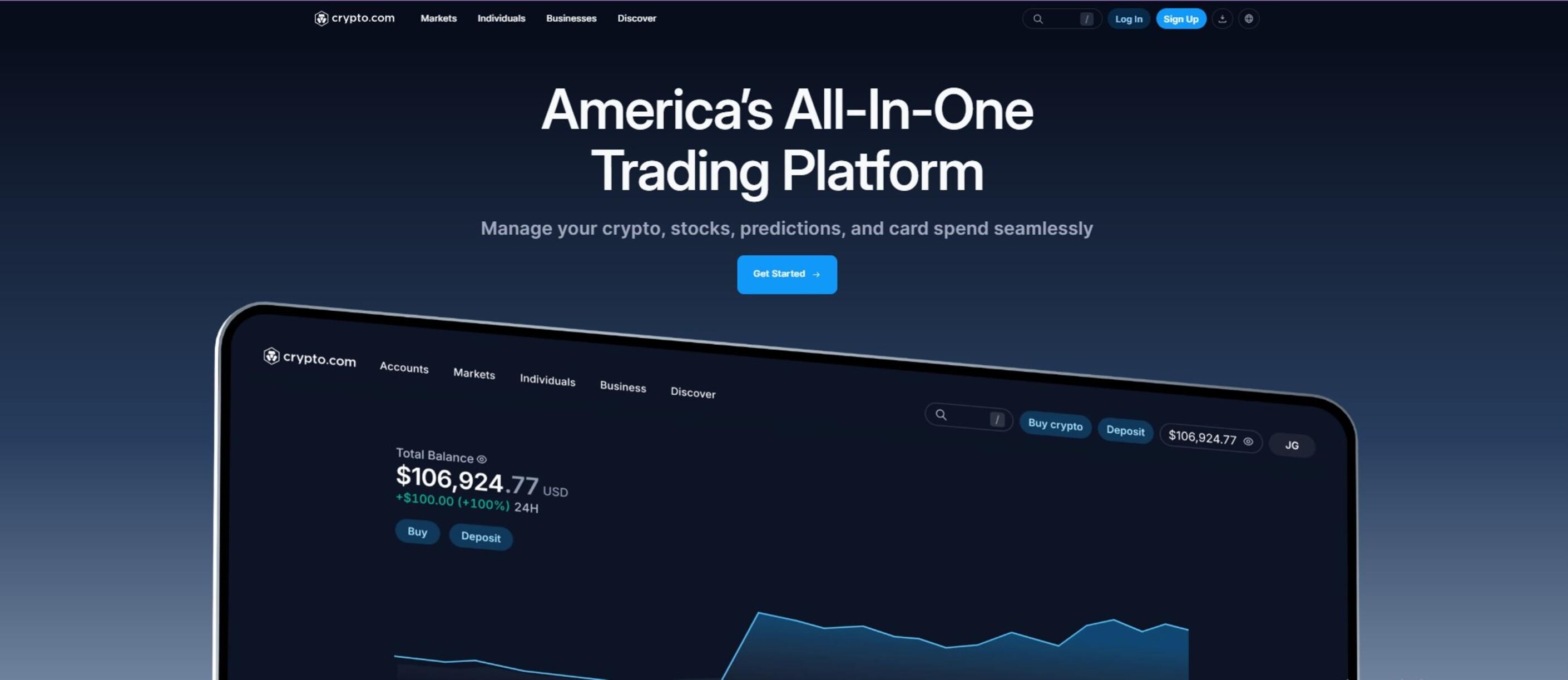
Crypto.com offers a unified ecosystem that combines crypto futures with financial services such as crypto loans and staking. Its futures platform emphasizes accessibility with moderate leverage, making it suitable for traders looking to manage positions alongside other crypto assets within a single account.
Why We Chose It?
We chose Crypto.com for traders who value an all-in-one crypto ecosystem. The platform provides robust liquidity for popular futures contracts and enables users to easily switch between derivatives and other products.
Key Features
Perpetual futures for long/short positions without expiry, plus dated futures for expiry-based strategies.Cross or isolated margin modes, with USDT collateral and leverage up to 50x on majors like BTC/ETH.An advanced desktop platform alongside a mobile app for charts, stop-loss, take-profit, and instant execution.Integrated with spot, margin, options, and DeFi wallet for seamless hedging and ecosystem trading.

Pros and Cons
ProsConsUp to 50x leverage with deep liquidity and fast execution Higher fees than top competitors (maker/taker 0.04-0.075%) Strong regulatory compliance and 1:1 reserves for security Derivatives are restricted in many regionsBeginner-friendly mobile/desktop tools and fiat depositsPast 2022 hack raises some trust concernsAll-in-one app with staking/passive income integration
9. PrimeXBT: Best for Multi-Asset Futures Including Forex and Indices
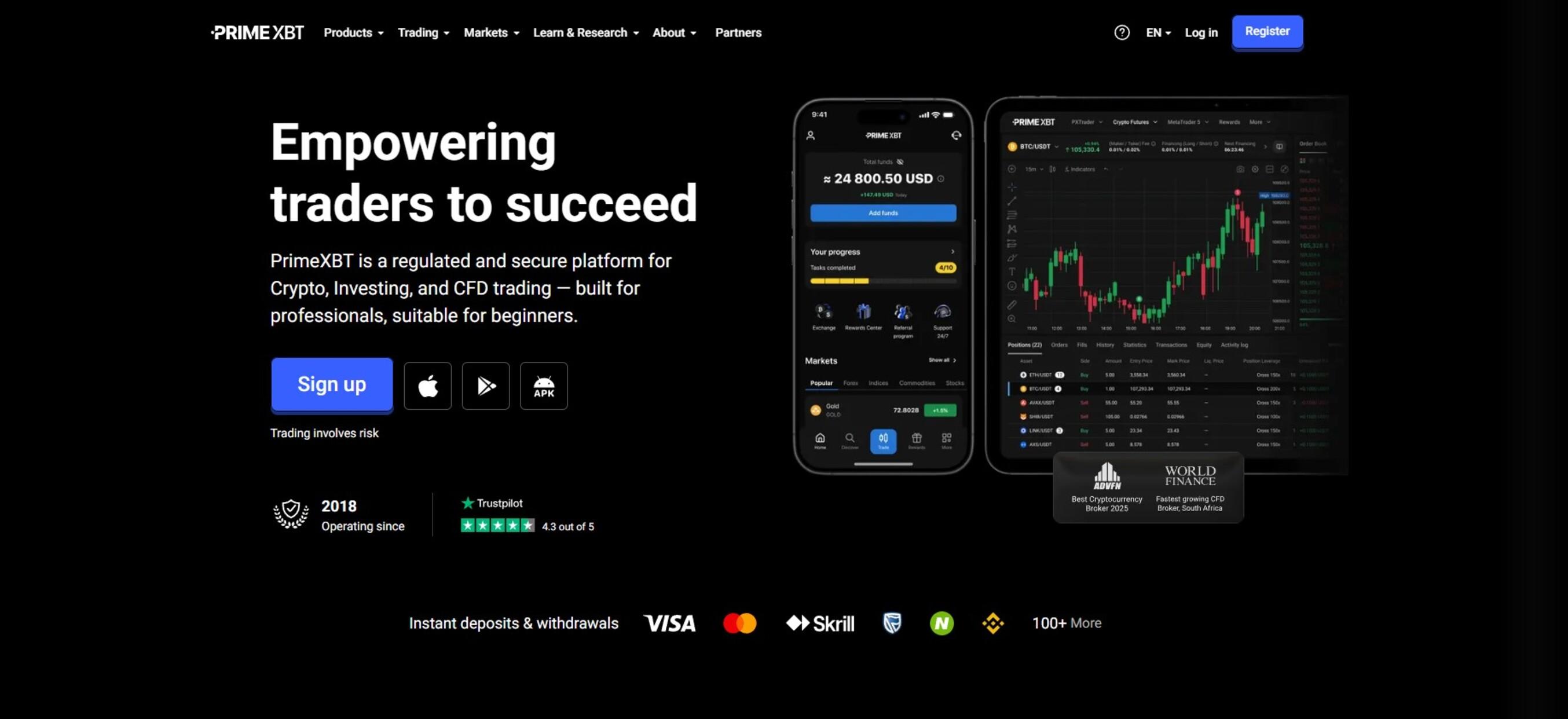
PrimeXBT combines crypto futures with traditional markets like forex, indices, and commodities. The futures trading platform is designed for advanced traders seeking a single environment to manage multiple asset classes. With leverage up to 200x and flexible margin modes, PrimeXBT enables precise exposure management across both crypto and traditional futures markets.
Why We Chose It?
We chose PrimeXBT for its unique multi-asset offering. The platform is suitable for experienced traders who want to diversify beyond crypto futures without juggling multiple exchanges. Additionally, its high-leverage options, competitive fees, and stable trading engine provide reliable execution for complex trading strategies.
Key Features
Up to 100x leverage on 500+ USDT-M and Coin-M perpetual contracts with deep liquidity.Multi-Assets Mode for unified collateral (BTC, ETH, USDT) across futures, improving capital efficiency and reducing liquidation risk.Trading bots (Grid, Martingale, Signal) and copy trading for automated strategies.FIX API, sub-accounts, L3 quotes for pro/high-frequency traders.

Pros and Cons
ProsConsHigh leverage (100x) and fast execution for derivatives focusLimited fiat on-ramps compared to larger exchanges Innovative Multi-Assets Mode boosts efficiency Smaller overall volume/liquidity than Binance and BybitZero spot trading fees and low futures fees (0.01%/0.06%) Customer support slower during peaksStrong bot/copy trading integration for all levels
10. BitMEX: Best for Professional-Grade Crypto Derivatives
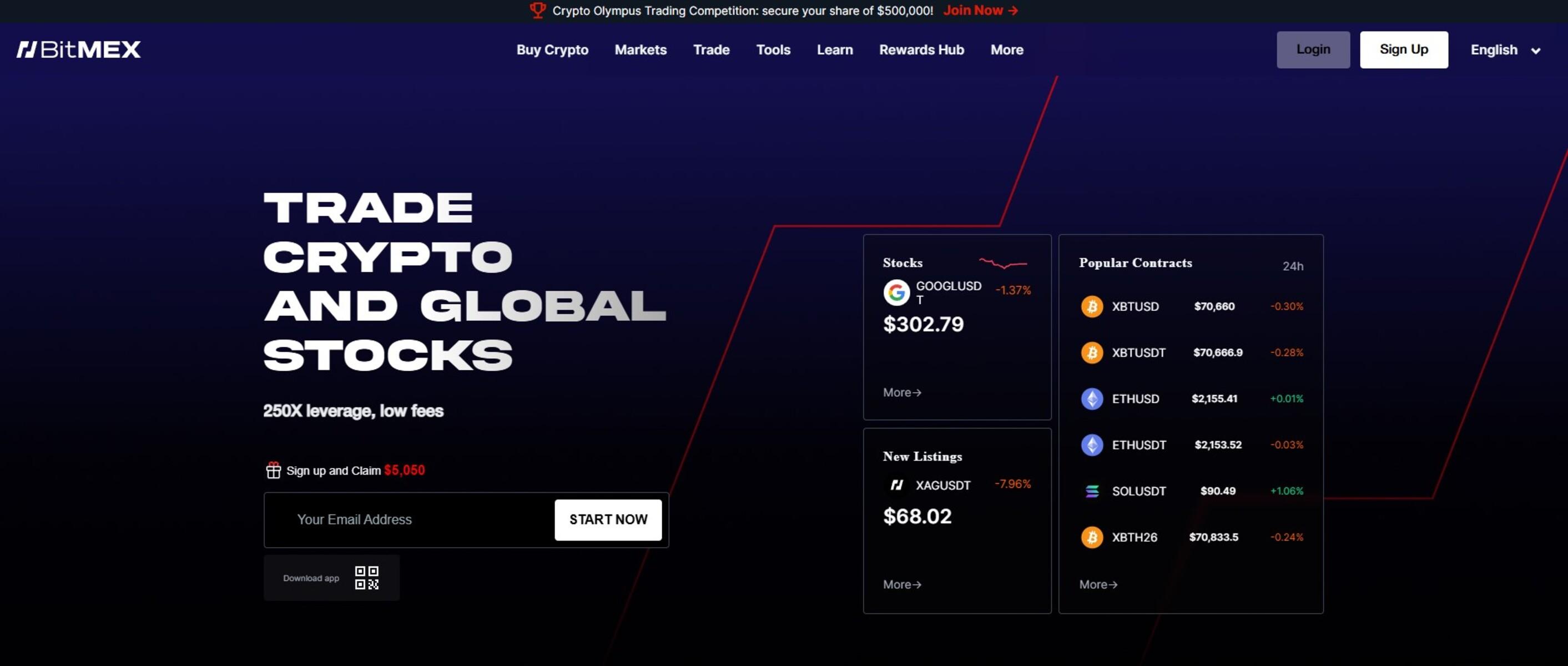
BitMEX is recognized for high-leverage trading and professional-grade tools. The futures trading platform is designed for advanced traders who prioritize large-position execution and deep futures markets. BitMEX specializes in perpetual and dated futures contracts, with up to 100x leverage and a robust matching engine built for rapid execution.
Why We Chose It?
We added BitMEX to this list for its professional-focused derivatives trading environment. The platform consistently delivers deep liquidity and reliable execution for large orders, while advanced risk controls and margin modes allow experienced traders to manage exposure precisely.
Key Features
Pioneer of perpetual swaps with up to 100x leverage on BTC/ETH/USD pairs, inverse and linear contracts.Bitcoin-margined futures (XBT) with quarterly/monthly expiries like XBTM26, plus USDT perpetuals.High-speed execution, deep liquidity for pros, advanced API, and multi-signature security.Supports 79+ coins for futures/options with quanto payouts for hedged exposure.
Pros and Cons
ProsConsIndustry-leading liquidity for BTC derivatives No US access with strict geo-restrictions Up to 100x leverage with proven uptimeHigher fees (0.075% taker, 0.01% maker) Pioneer perpetuals with low counterparty riskLimited altcoin variety compared to newer exchangesPro tools like NinjaTrader integration
What Is a Crypto Futures Trading Platform?
A crypto futures trading platform is an exchange that allows users to buy and sell futures contracts tied to underlying crypto assets. Unlike spot trading, where you own the actual cryptocurrency, futures contracts let you speculate on price movements without holding the asset directly.
These platforms often offer leverage, enabling traders to amplify gains (and losses) while providing tools for risk management, such as isolated and cross-margin modes. Advanced platforms also support perpetual contracts, copy trading, and automated strategies, giving both experienced traders and beginners flexible ways to implement trading strategies in crypto derivatives markets.
Due to high leverage, futures trading increases the potential for traders to make massive profits. However, with greater leverage/potential for profit comes a higher risk of liquidation. If you are looking to start trading futures, it is advisable to learn the basics of futures trading to lay a solid foundation for investing.
How to Choose the Best Crypto Futures Trading Platform
1. Regulation
Choose a platform that complies with the top financial authorities and local regulations. Regulated exchanges provide clearer legal protections, ensure transparent operations, and help reduce exposure to fraud or insolvency, giving traders more confidence when trading crypto futures.
2. Fees and Funding Rates
Low trading fees and transparent funding rates directly impact profitability. Compare maker/taker fees, funding intervals, and any discounts or VIP tiers, especially if you are a high-volume futures trader. Lower fees can help you minimize costs while maintaining efficiency when executing trades.
3. Liquidity
High liquidity ensures orders fill at expected prices with minimal slippage. Platforms with robust trading volume and deep order books support larger positions and smoother execution, which is crucial for both advanced and intermediate traders.
4. Risk Controls and Order Tools
The best futures trading platforms provide tools such as stop-losses, take-profit orders, trailing stops, and conditional orders. Additionally, when picking crypto exchanges with margin trading features, tools such as isolated and cross margin modes matter because they allow traders to manage liquidation risk and implement precise trading strategies.
5. Leverage Flexibility
Different contracts and assets should allow adjustable leverage to suit risk tolerance. Flexible leverage enables traders to optimize capital use while balancing potential returns against exposure to losses in volatile crypto derivatives markets.
6. Security
A secure platform protects funds and personal data with strong protocols, two-factor authentication, and cold storage for assets. Security is critical for both small-volume and experienced traders handling high-value positions or engaging in high-leverage crypto futures trading.
Perpetual Contracts vs. Quarterly Futures: Which Is Better?
Perpetual contracts are futures contracts without an expiration date, allowing traders to hold positions indefinitely while paying small funding fees. These contracts are ideal for short-term trading and high-frequency strategies.
Meanwhile, quarterly futures have fixed expiry dates, making them better for hedging or longer-term positions, since they have predictable settlement. In the end, the choice between perpetual contracts and quarterly futures depends on your trading strategy, risk tolerance, and whether you prioritize flexibility, capital efficiency, or precise timing in crypto futures markets.
How to Start Crypto Futures Trading
To start crypto futures trading, select a reputable exchange from this list, fund your account, and practice with low leverage while prioritizing risk management.
Step-by-Step Guide
Choose and sign up: Pick a platform based on your needs (e.g., Kraken for US regulation, Bitget for copy trading) and register a new account. Then complete KYC verification to have full access to futures contracts.Deposit funds: Transfer crypto (BTC/USDT) from an external wallet (if you have one), or deposit fiat.Access futures section: Switch to “Futures” or “Derivatives” on the app/site (e.g., Coinbase Advanced). From here, you can customize your trade by selecting the contract, margin mode, and leverage, then place your order. Once you’ve placed the trade, track funding rates, PnL, and liquidations, and close positions manually or via TP/SL.
What Are the Risks of Trading Crypto Futures?
Leverage risk: High leverage (e.g., 100x on Bybit/BitMEX) magnifies both gains and losses, which means that small price moves can wipe out your entire margin.Liquidation risk: Exchanges automatically close positions if equity falls below maintenance margin, often resulting in a total capital loss.Extreme volatility: Crypto’s rapid price swings can trigger unexpected liquidations, especially with leverage.Counterparty risk: Platform hacks, insolvency, or outages can lock funds or cause failed executions.Regulatory risks: Bans or restrictions (e.g., in the U.S. and the U.K.) lead to account freezes or forced closures.
Tips for Beginners in Crypto Futures Trading
Start with demo accounts: Practice on platforms like Bybit, Phemex, or Bitget demo modes to learn without risking real money.Use low leverage: Begin with 2-10x leverage max (not 100x) to limit liquidation risk on volatile pairs.Master risk management: Always set stop-loss (SL) and take-profit (TP) orders, and risk only 1-2% of capital per trade.Choose Isolated Margin: Keeps losses contained to individual positions rather than sharing all funds in cross-margin.Trade liquid pairs: Trade BTC/ETH futures first (high volume on Binance/Kraken) before altcoins to minimize slippage.Learn order types: Use limit/market orders wisely and avoid FOMO with market orders during volatility. Additionally, familiarize yourself with charts, calculators, and bots on the exchange you choose.
Is Crypto Futures Trading Legal?
Yes, crypto futures trading is legal in many countries, but regulations vary by region. In the US, platforms must comply with Commodity Futures Trading Commission (CFTC) and Securities and Exchange Commission (SEC) regulations for derivatives, while Europe and Asia have their own licensing requirements.
Ensure the crypto futures exchange you use complies with applicable regulations to reduce legal and financial risks. Unregulated platforms may expose you to fraud, loss of funds, or restricted access, so choosing a compliant and reliable platform is crucial.
Conclusion
Crypto futures trading offers powerful opportunities for traders to profit from price movements without holding the underlying asset. However, all futures trading platforms are not the same, so when you’re picking an exchange, opt for one with deep liquidity, flexible leverage, robust risk controls, and other tools you’ll need based on your trading strategies.
FAQs
What is the best crypto futures trading platform overall?
The best overall depends on your requirements. However, Binance is widely regarded as the best overall due to its deep liquidity, broad selection of crypto futures, high trading volume, and robust tools for both advanced and intermediate traders seeking reliable execution.
Where to trade crypto futures in the USA?
US traders can use regulated platforms like Kraken and Coinbase, which comply with local financial authorities. These exchanges offer access to perpetual contracts and futures markets while prioritizing regulatory compliance and secure trading environments.
Which platform has the highest leverage for crypto futures?
PrimeXBT and MEXC offer some of the highest leverage, up to 200x, allowing advanced traders to maximize exposure across crypto derivatives. High leverage is attractive for speculative strategies but significantly increases liquidation risk.
What is the safest crypto futures platform for beginners?
Kraken and Coinbase are generally considered the safest for beginners. They limit leverage, provide transparent funding rates, and focus on security and regulatory compliance, helping new futures traders manage risk as they learn the markets.
Which crypto futures platform has the lowest fees?
MEXC stands out for its ultra-low trading fees, including 0% maker and 0.02% taker rates. Binance and Bybit also offer competitive fees, especially for high-volume traders, while maintaining deep liquidity and reliable execution.
What is a funding rate in crypto futures?
A funding rate is a periodic fee exchanged between long and short positions in perpetual contracts. It keeps the contract price close to the underlying asset and affects cost for holding positions over time in crypto futures markets.