Russia’s pavilion at the Venice Biennale will be shut down if it engages in propaganda, the city’s mayor Luigi Brugnaro, said on Thursday (19 March). Brugnaro added, however, that the city should remain a forum for dialogue.
The Biennale’s president, Pietrangelo Buttafuoco, and Italy’s culture minister, Alessandro Giuli, have been at odds since the Russian president Vladimir Putin’s international cultural envoy Mikhail Shvydkoy announced on 3 March that Russia was participating with a musical program of folklore and world music. It will mark Russia’s first appearance at the Biennale since its full-scale invasion of Ukraine in February 2022.
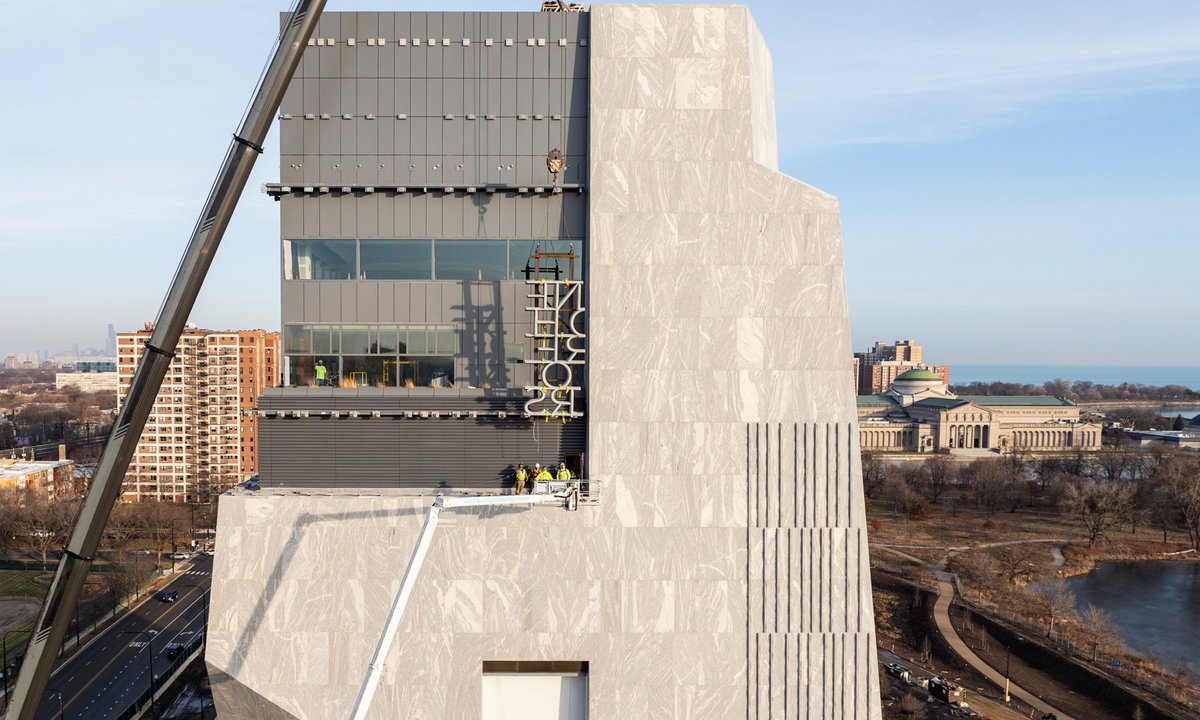
“If the Russian government were to carry out propaganda, we would be the first to close the pavilion,” Brugnaro said, in comments reported by Italian media including the Ansa news agency. He was speaking at the presentation of the Biennale’s Central Pavilion, which has opened after a 16-month, €31m renovation.
He also said, however, according to Il Sole 24 Ore: “In Venice, we practice diplomacy and openness,” later adding: “Russia, as a state that invaded Ukraine, is a problem, but the Russian people are not. I’m pro-Ukrainian, everyone knows that, I’ve twinned Venice with Odessa. [But] we must work to ensure that culture isn’t censorship.“
After the European Union threatened to pull funding from the Biennale if Russia participates, Giuli called for the resignation of Tamara Gregoretti, the ministry of culture’s representative to the event. He also demanded full documentation of plans for the Russian pavilion and any potential violations of sanctions on Russia.
The Biennale said on Tuesday: “No regulations have been violated and sanctions against the Russian Federation have been fully complied with, as is our duty.”
In a letter published by the Italian newspaper Il Foglio, Buttafuoco said that the Biennale would host a space commmerating the 50th anniversary of Carlo Ripa di Meana’s Biennale del Dissenso (Biennale of Dissent), a series of Venetian exhibitions platforming the work of dissident artists from the Soviet bloc, as well as philosophical discussion. The 2026 space will host “five current figures who are highly unpopular with their governments: the US, Israel, China, Russia, and even the EU”, Buttafuoco said. He added that the Biennale will also put on a programme called “The Pillar and Ground of Truth”, comprising five evenings devoted to Pavel Florensky, an Orthodox priest and philosopher executed during Soviet dictator Joseph Stalin’s Great Terror in 1937.
Paradoxically, Putin has promoted Florensky as one of the thinkers who laid the groundwork for the Russky mir (Russian World) that drives Kremlin ideology.
A Pussy Riot pledge
The feminist punk collective Pussy Riot, meanwhile, has reacted to the news of the dissident pavilion. In a statement posted on Instagram on 19 March, the group said:
“Accommodating official state representation while curating ‘dissent’ risks turning the latter into a performative gesture and virtue-signaling rather than a position. Still, if you are serious about welcoming artists who do not align with state narratives, we are ready to take you at your word.
If you would like to support dissent, we will be there. You claim to care about censorship: Pussy Riot is so censored in Russia that we were deemed ‘an extremist organisation’. Simply visiting our website or liking images of our art is criminalised.”