I spend a lot of time analyzing where the creator economy is heading, and honestly, waking up to YouTube’s latest update felt like stepping straight into a sci-fi movie. Remember the days when you had to set up the perfect lighting, fix your hair, and do countless retakes just for a quick 10-second Short? Well, you can officially put the ring light away. YouTube now lets you create a photorealistic digital avatar of yourself to star in your videos.
When I first heard about this, my immediate thought was about the dark side of AI—the deepfakes, stolen identities, and the erosion of viewer trust. But digging into how YouTube engineered this, I realized they are tackling the problem from a brilliantly proactive angle. Instead of fighting the inevitable wave of synthetic media, they are putting the steering wheel directly into the hands of the creators.
How to Build Your Virtual Twin
So, how does this actually work? I looked into the mechanics, and it’s surprisingly straightforward, though it requires a bit of precision. You don’t need a massive Hollywood setup; just your smartphone and the YouTube or YouTube Create app.
Here is what you need to know to get your clone up and running:
The “Live Selfie”: Navigate to the AI Playground section in the app. The system will ask you to record a live selfie, capturing both your facial nuances and your voice.Perfect Conditions: I highly recommend doing this in a completely quiet room with zero background noise and no one else in the frame. Keep your phone exactly at eye level for the best, most natural result.Total Control: If you don’t like how your digital twin turned out on the first try, simply reject it and do it again. You have the final say before anything goes live.Eligibility: You must be the primary account owner and strictly over 18 years old to unlock this feature.
Text-to-Video: The Magic Wand
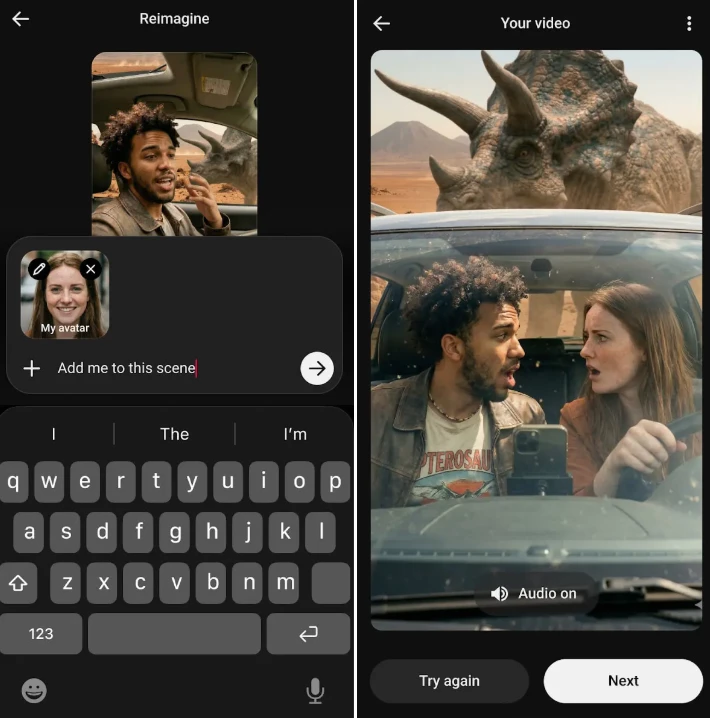
Once your avatar is cooked and ready, the real fun begins. You don’t even need to speak into a microphone anymore. By simply typing text prompts, your AI clone will generate up to eight seconds of video, mimicking your voice and facial expressions.
If you are browsing existing Shorts and inspiration strikes, you can hit “Remix” and then “Reimagine” to effortlessly insert your digital self into trending formats. Think about the sheer volume of content you can produce while sipping coffee on your couch!
The Elephant in the Room: Security and Deepfakes
I know what you are thinking, because I asked myself the exact same thing: What stops someone from manipulating my clone?
YouTube has heavily guarded this feature to protect our digital identities. Every single video generated with this AI tool will feature mandatory AI disclosures and visible watermarks, utilizing SynthID and C2PA credentials. Viewers will instantly know they are looking at an AI creation, maintaining transparency.
Furthermore, you hold the ultimate permission rights. You can easily restrict others from remixing or altering your AI-generated videos. And as a neat privacy cleanup measure, if you abandon your avatar and don’t use it for three years, YouTube’s system will automatically wipe it from their servers.
This isn’t just a cool software update; I genuinely believe this is a paradigm shift in how we define a “content creator.” It separates our creative ideas from the physical labor of filming.
But I’m incredibly curious about your take on this. If you had the power to let a digital, photorealistic clone run your YouTube channel while you focus purely on writing the scripts, would you actually do it? Or does taking the human out of the camera frame ruin the magic of connection? Let me know what you think below!